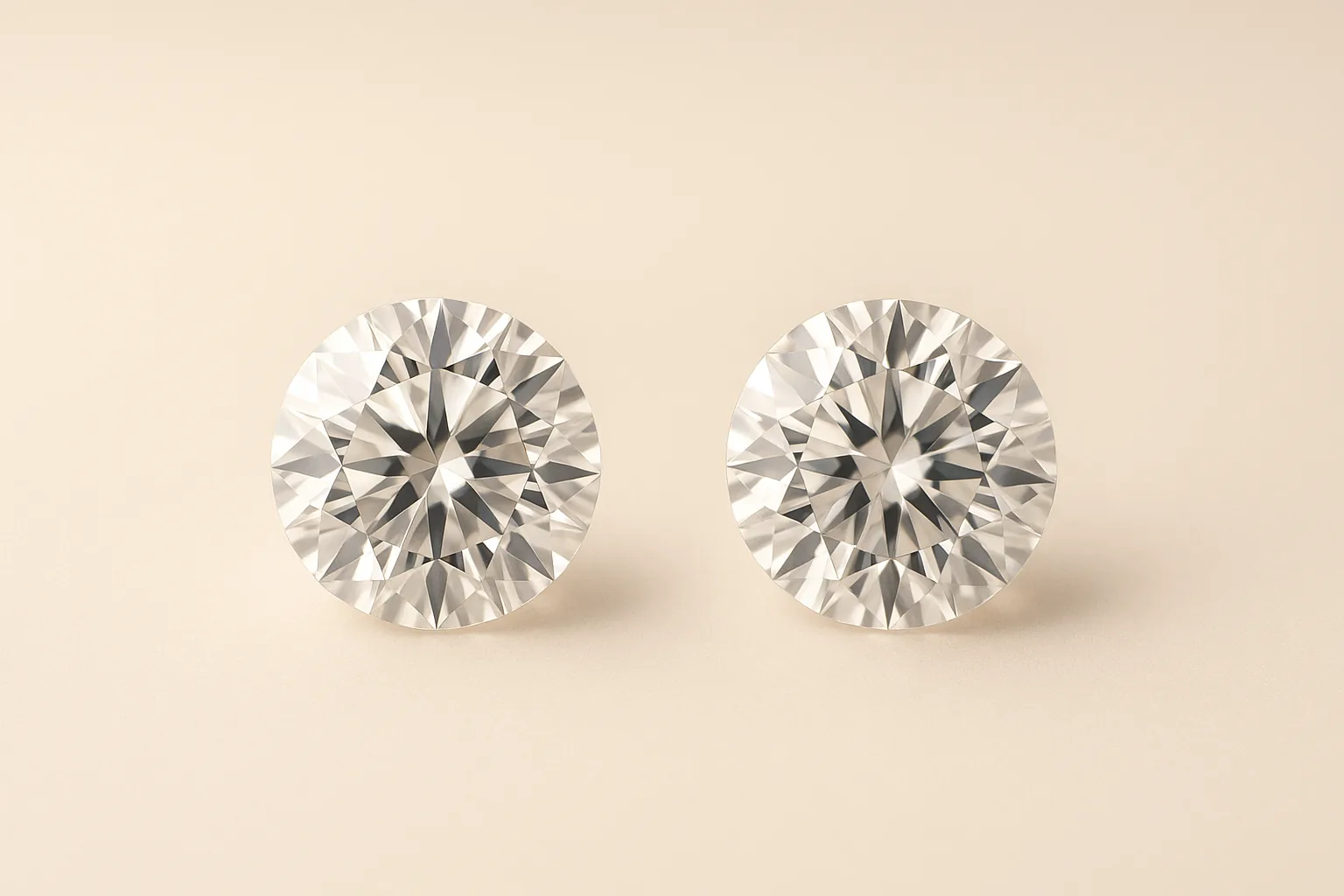
Natural or Lab-Grown
Lab-grown diamonds are chemically identical to mined ones and cost far less. Weigh price, rarity and resale before choosing one for an engagement ring.
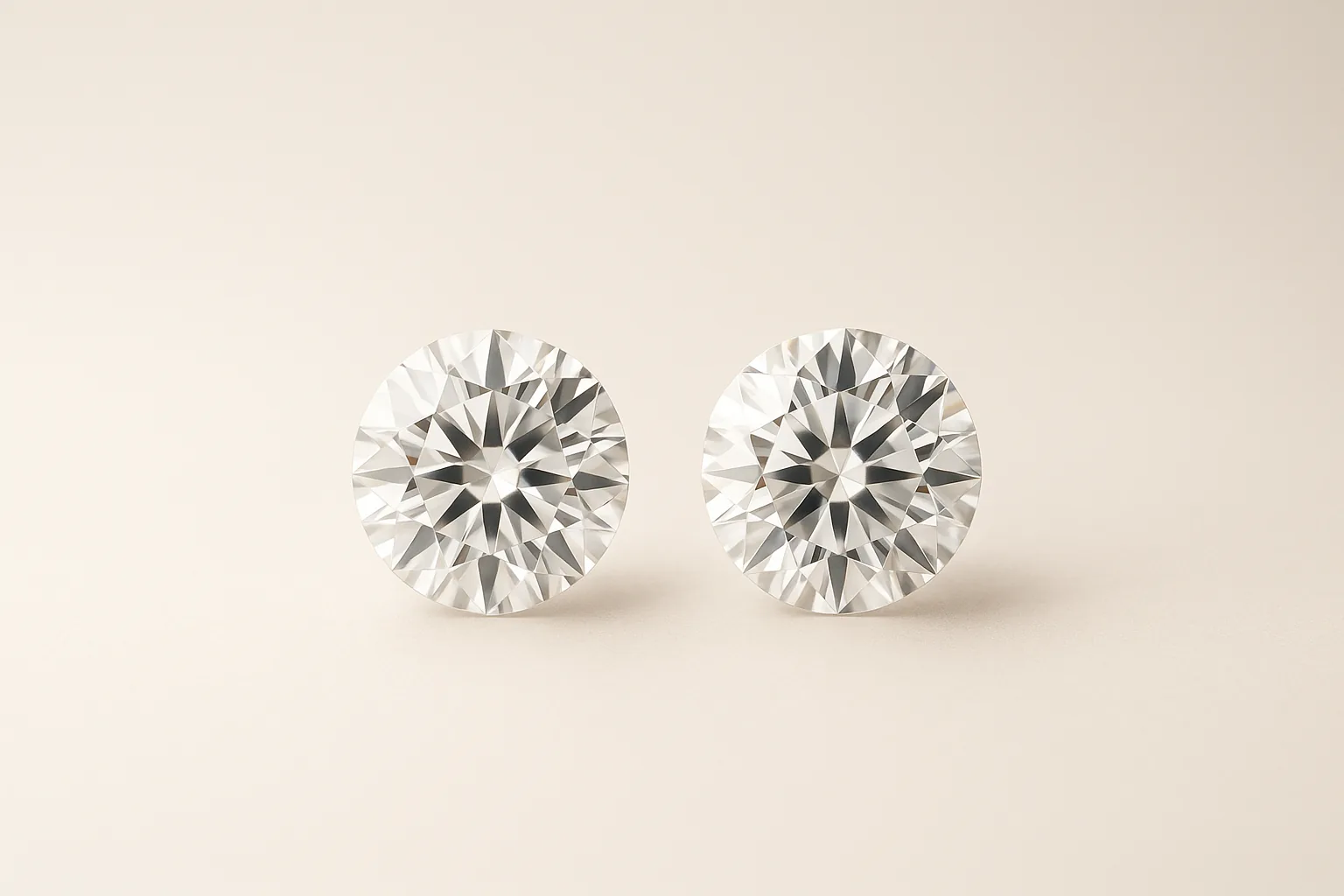
The diamond, considered the most precious and the hardest stone in nature, is highly prized across every field of jewelry and fashion, and among actors and the wealthiest tier of society. In recent years, with progress and advanced technology, lab-grown diamonds produced under controlled conditions have been developed. Many questions are asked about the differences between a natural diamond and a lab-grown one, and about why it is worth investing specifically in a natural diamond - and we will try to give some answers.
What is a natural diamond?
A natural diamond is a stone that formed in nature over millions of years, deep within the Earth, under conditions of great pressure and the very high temperatures of the natural world. Every natural diamond is unique, with its own color, cut shape and transparency, and containing fissures or other natural inclusions that constitute its "identity card".
What is a lab-grown diamond?
A lab-grown diamond, as its name indicates, is a diamond created under controlled conditions in laboratories, using technologies such as HPHT (High Pressure High Temperature) or CVD (Chemical Vapor Deposition). In this process natural conditions are imitated, so that the resulting stones are in fact diamonds that are chemically and physically very similar to those formed in nature - but of course they are not natural.
Differences in appearance and quality
In terms of appearance, it is very difficult to tell a natural diamond from a lab-grown one with the naked eye. Both types may look almost identical in terms of color, brightness and sparkle. That said, a natural diamond may contain natural formations such as fissures or inclusions (small flaws within the stone) which can be a sign of a long period of formation in nature. In a lab-grown diamond, by contrast, the flaws may be less visible or of a different kind. Because a laboratory report also states a diamond's origin, an independent GIA grading report (opens in new tab) is the surest way to know for certain whether a stone is natural or laboratory-grown.
Differences in price and value
The most significant difference between a natural diamond and a lab-grown one is in its price and its value. A lab-grown diamond is far cheaper than a natural diamond - sometimes at prices 90% lower than a natural one - because of the lower production costs in the laboratory and the ability to produce in quantity, and for that reason it also does not hold its value.
Why is it worth buying a natural diamond?
Despite the price advantages of a lab-grown diamond, there are several important advantages to buying a natural diamond, particularly in the context of a long-term investment and the emotional value of a natural product:
- Future value: a natural diamond holds its value over time and may even increase in value on resale. While lab-grown diamonds may lose value by comparison, a natural diamond remains a mark of splendor and luxury.
- Uniqueness: every natural diamond is a singular creation of nature. No identical stone exists, which adds to its emotional value and its uniqueness. Buying a natural diamond is more than buying a product; it is also a work of natural art formed in the depths of the earth over millions of years.
- Rarity: the world's diamond mines are steadily being exhausted, and for some years now no new mines have been found, which makes natural diamonds rarer and harder to obtain.
- History and heritage: a natural diamond carries with it a story of time and distance, as well as the heritage of nature. Every diamond found in nature is part of the geological history of the Earth, and conveys a sense of luxury and permanence that does not exist in a lab-grown diamond.
- The environmental aspect: when you buy a natural diamond from an accredited source and it comes with a high-quality, reliable gemological certificate, there is confidence that this is a product made and traded according to the rules of ethics and fair trade, meeting all the strict regulatory requirements in the field - which include no trade in conflict ("blood") diamonds and rigorous supervision on the prevention of unfair labor exploitation.
Because a natural diamond is a considered purchase, where you buy it matters as much as which stone you choose. Buyers focused on quality and value often prefer to purchase closer to the source - directly from diamond manufacturers or established suppliers rather than through a chain of intermediaries - which can reduce added markups, open up a larger inventory of certified natural stones, and make it easier to compare one certified diamond against another on equal terms. It can also allow more customization if you want a particular stone set to your own design. A direct supplier such as Israel Diamonds, for example, offers certified loose natural diamonds (opens in new tab) and wholesale diamonds (opens in new tab), and lists diamonds chosen with long-term value in mind (opens in new tab).
Conclusion
If you are looking for a diamond with long-term value, uniqueness and history, a natural diamond is the right choice. Beyond its stunning beauty and its classic look, a natural diamond offers far greater meaning, and conveys a luxury and quality that endure over time. A lab-grown diamond may be a good solution in terms of cost, but when it comes to a long-term investment and an emotional choice, there is no doubt that choosing a natural diamond will remain the leading option - especially where a diamond engagement ring (opens in new tab) is concerned.
Moissanite is the other stone set against a natural diamond, and it is not a diamond at all; the moissanite guide covers what it actually is.