Sapphire
Sapphire is best known in deep blue but occurs in almost every color. Learn how quality is judged, and which cheaper stones are sold in its place.
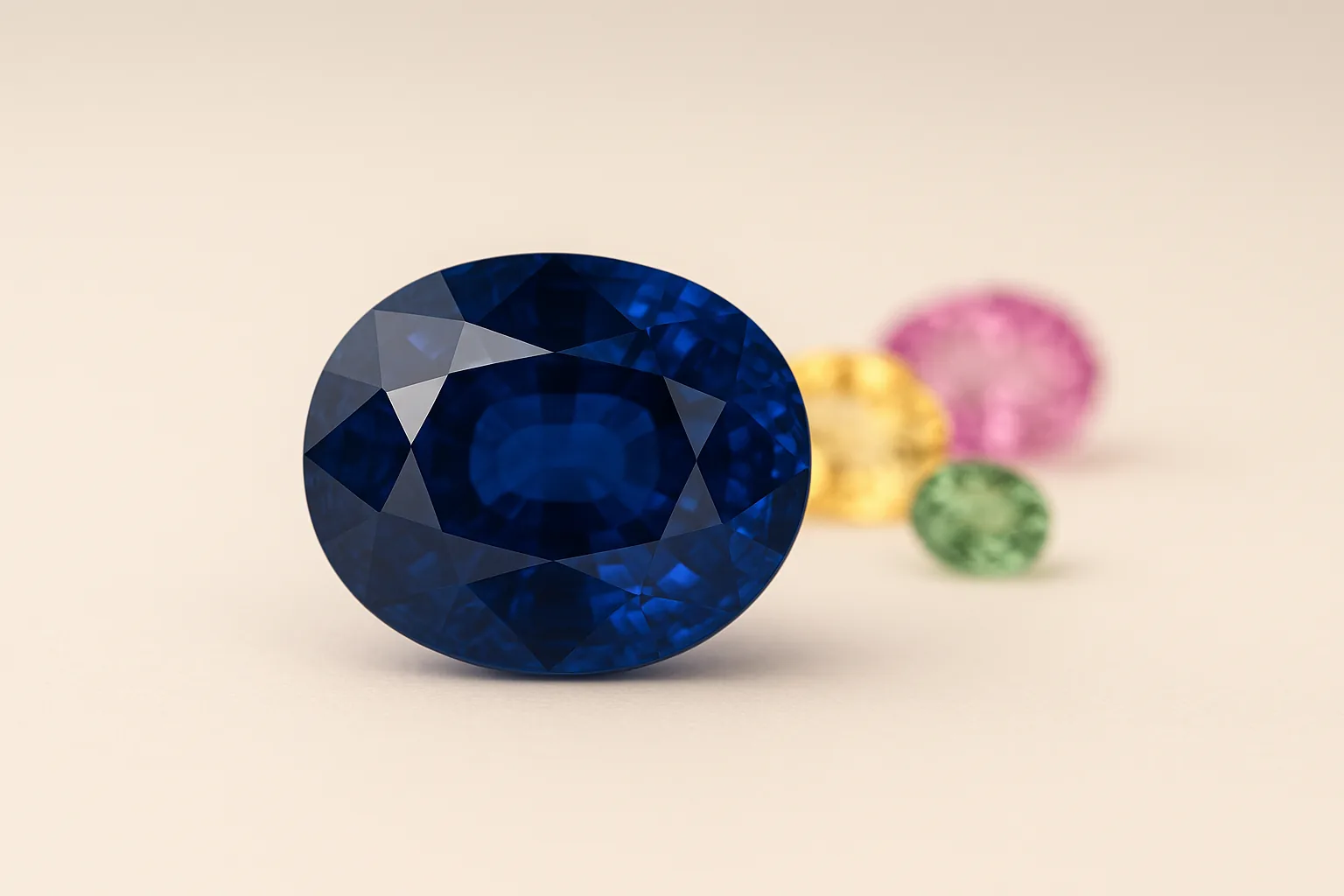
The word "sapphire" comes from the Latin "sapphiru", meaning blue.
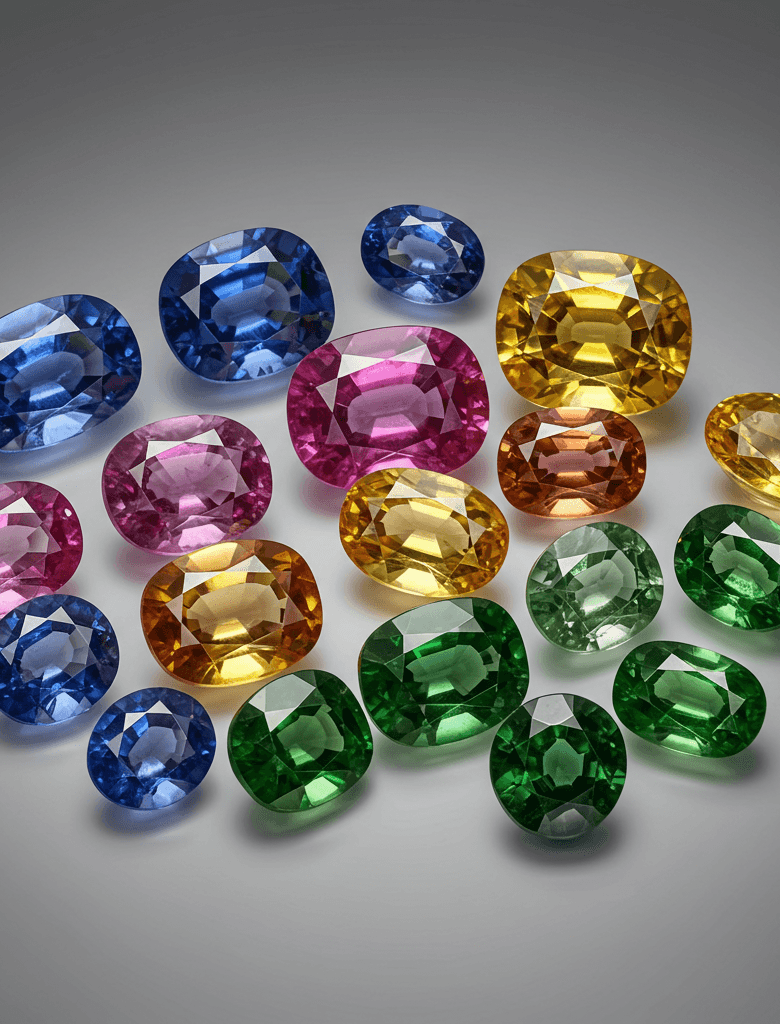
Sapphires come in a wide range of colors: the vivid blue of a midday sky, the deep blue of a night sky, the yellow reflections of the sun, and the pink of dawn and/or sunset. There are also sapphires in less usual colors such as purple, orange, green, the blue-green called "teal", and black. The classic blue sapphire (opens in new tab) remains the most sought after.
The sapphire is the birthstone of September. It is also a traditional gift for those celebrating a 5th or 45th anniversary.
Sapphires belong to the mineral family called corundum. They are among the strongest natural gemstones there are, ranked after diamonds.
Sapphires have been found all across the globe, from far-flung countries such as Australia and Kashmir to China and Cambodia, Madagascar and Ceylon (opens in new tab) (present-day Sri Lanka, especially prized for its bright blue stones).
The most valuable sapphires are those of a medium blue with a saturated tone that stays constant under all lighting conditions.
Sapphires weighing up to 2 carats are common. Larger sapphires, in a range of colors up to 10 carats, are harder to find.
Sapphires are often associated with loyalty and honor, and they are a favored gemstone among royalty - a reputation that has made the blue sapphire a classic choice for sapphire engagement rings (opens in new tab).
Worth knowing: most natural sapphires undergo heat treatment to improve their color and clarity. This is accepted practice in the industry, producing a permanent improvement and helping to protect against random fissures or fractures. If you specifically want a stone that has not been heated, look for unheated sapphires (opens in new tab) sold with a gemological report confirming it.
Because a sapphire's value turns so heavily on its color and on whether it has been treated, buying from a specialist that documents both is important. Many buyers prefer to purchase closer to the source, directly from a manufacturer or established supplier rather than through several intermediaries, which can reduce markups, widen the choice of certified stones, and make pricing more transparent when comparing one sapphire with another.
Sapphire is the birthstone for September, and the September birthstone guide covers what that tradition holds.