Diamond Cut
Cut is the one C that is made by hand rather than found in the ground, and it decides how a diamond returns light. Learn the grades and the proportions.
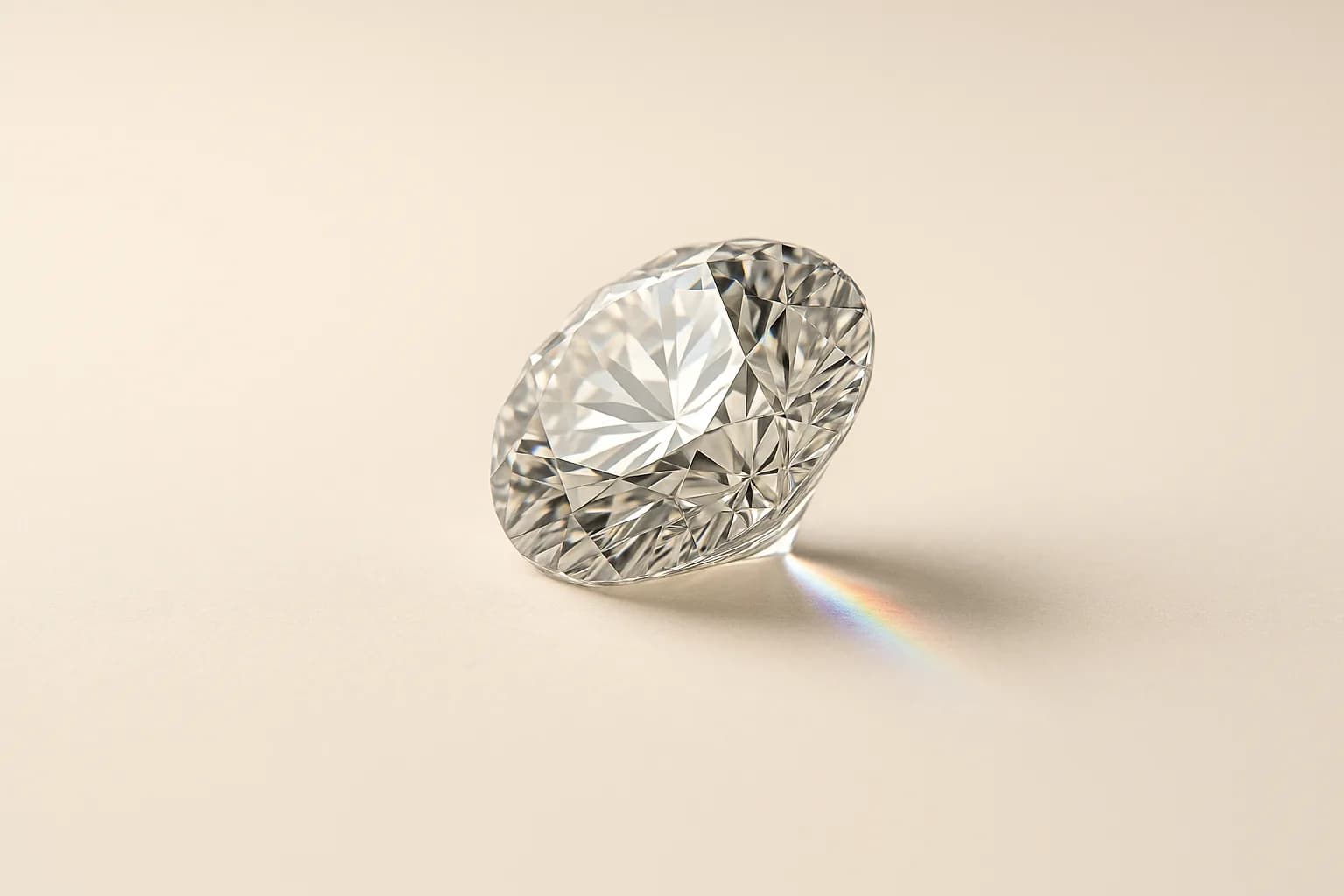
Of the four Cs that determine a diamond's quality, the cut is the most important characteristic when choosing a diamond, but also the most complex to understand. The term "cut" also describes the diamond's shape (opens in new tab) - round, heart, square and so on.
Cut refers not only to the diamond's dimensions and symmetry, but also to the fine design of each and every facet of the stone; the combination of these factors together with its overall finish is what is known as the diamond's cut.
The measurements, symmetry and polish of a diamond determine how light will be reflected within the stone. The better the cut grade, the more the diamond sparkles. A good cut creates three optical effects: reflections of white light within the stone, called the diamond's brightness; flashes of color known as "fire"; and areas of light and shadow known as scintillation.
To understand some of the finer points of diamond cuts, you first need to understand some basic diamond vocabulary:
- Diameter - the width of the diamond from one side of the stone to the other.
- Table - the large facet (the face) at the top of the diamond.
- Girdle - the edge of the diamond between the crown above and the lower part of the diamond below; the widest circumference of the stone.
- Crown - the upper part of the diamond, from the girdle to the table.
- Culet - the fine tip at the bottom end of the diamond (the point).
- Pavilion - the part of the diamond below the girdle.
- Depth - the measurement of the diamond from the table to the culet.
Let the light shine
Every diamond cut has its own unique proportions, which directly affect the rays of light that pass through it and are reflected back. Unlike glass, a diamond allows rays of light to penetrate it and also has the optical ability to return those rays to the eye of the viewer. Some of the rays striking a polished diamond enter the stone, and some are reflected off its surface. The rays that enter the diamond are refracted and return through the many polished angles of the crown. That reflection creates the sparkling glow known as the diamond's fire. Some rays enter and return through the table, which affects the sparkle and is known as the diamond's brilliance. In practice the cut of a diamond matters most - far more than its color or its clarity - and that is its beauty.
If a diamond is cut too shallow, light can escape from underneath it and reduce the brilliance. If the cut is too deep, light can spread out through the sides and again affect the sparkle. A diamond with good proportions will let light travel inside the diamond, reflecting it back through the table and the crown for maximum sparkle.
Diamonds are graded for cut on the following scale:
- Excellent (Ex) - cut to excellent proportions, allowing maximum brilliance.
- Very Good (VG) - excellent, first-rate proportions; brilliance that is exceptional at a worthwhile price.
- Good (G) - a fine diamond offering significant brilliance; usually excellent value for money.
- Ideal
- Too shallow
- Too deep
Further cuts exist but are less recommended.
Diamonds that carry a GIA or IGI certificate (opens in new tab) are graded according to the scale of those organizations.
Which cut is best for you?
A diamond's cut - its shape - is mainly a matter of personal preference. What looks beautiful to you may look less impressive to someone else. Some people may prefer a round stone while someone else will prefer a pear-shaped one, for example. One person will prefer the look of a larger table, while others will prefer a smaller one. There are companies that offer photographs and even videos of the actual diamonds (not a sample image), so that you can decide for yourself.
Because cut has such a strong effect on sparkle and it varies from one stone to the next, this is the C where seeing the individual diamond pays off most. Buyers increasingly favor suppliers that let them inspect the exact stone - its grading report, measurements and real photographs or video - rather than a representative image. Purchasing closer to the source, directly from a manufacturer or established supplier, also tends to mean a wider selection to compare and clearer pricing; you can, for instance, browse individual loose diamonds (opens in new tab) with their certificates at a direct supplier such as Israel Diamonds before choosing.
The chance of two diamonds being completely identical is nil. Every diamond is unique, with its own measurements, color and internal flaws, because of the way it formed over thousands of years.
You need to see the stone in person in order to "connect" with the brilliance and the fire in it… within the limits of your budget, of course!
The emerald cut is named for the stone it was devised for, whose internal fractures make long straight facets the safer way to polish it; the emerald guide covers that stone.