Spinel
Harder than most colored stones, no cleavage, almost never treated, and in colors ruby cannot manage. A buying guide to red, cobalt blue and the rest.
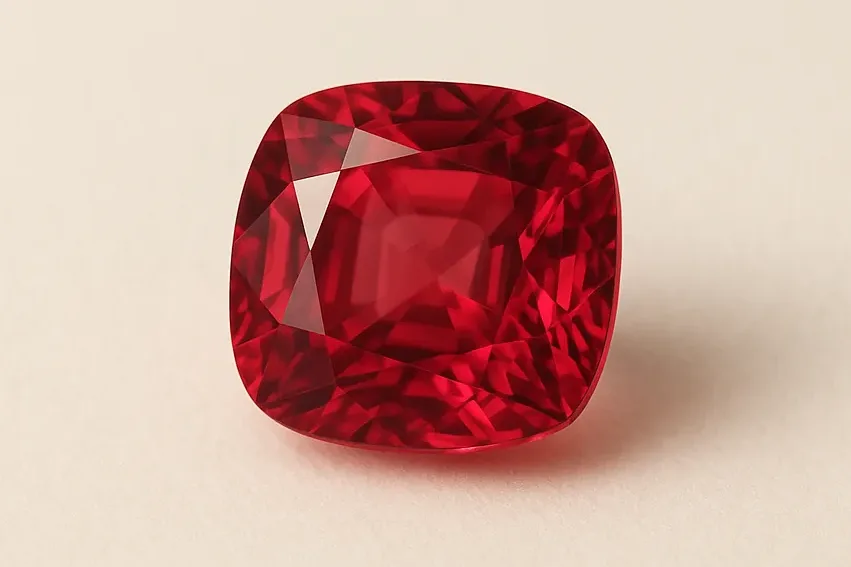
For most of recorded history the great rubies of Europe were not rubies. The Black Prince's Ruby in the British Imperial State Crown is a spinel. So is the Timur Ruby. Nobody knew until 1783, when the two minerals were finally distinguished, and by then spinel had spent five centuries being mistaken for the most valuable stone on earth.
It has spent the two centuries since being underrated because of it, and that is now changing quickly. Spinel is harder than most coloured stones, has no cleavage, comes in colours ruby cannot manage, and is almost never treated in a trade where nearly everything else is. Dealers have known this for a while. Prices have started to reflect it.
This page covers the colours, the varieties worth paying for, and what to check before buying loose.
The colors of spinel
Red through pink and orange to blue, lavender, grey and black. The reds are what fooled the medieval world; the blues are what excite the modern market.
- Red. The historic colour, at its best from Mogok in Myanmar. Slightly lighter and more open than ruby, and often more lively.
- Hot pink to red, Mahenge. From a Tanzanian deposit found in 2007, producing an intense pinkish red with a glow that made spinel fashionable again.
- Cobalt blue. The most valuable spinel by a distance. Coloured by cobalt, mainly from Vietnam and Sri Lanka, and vividly electric.
- Grey, lavender and mauve. Quiet, sophisticated and still genuinely affordable. The best entry point into the stone.
Where spinel is mined
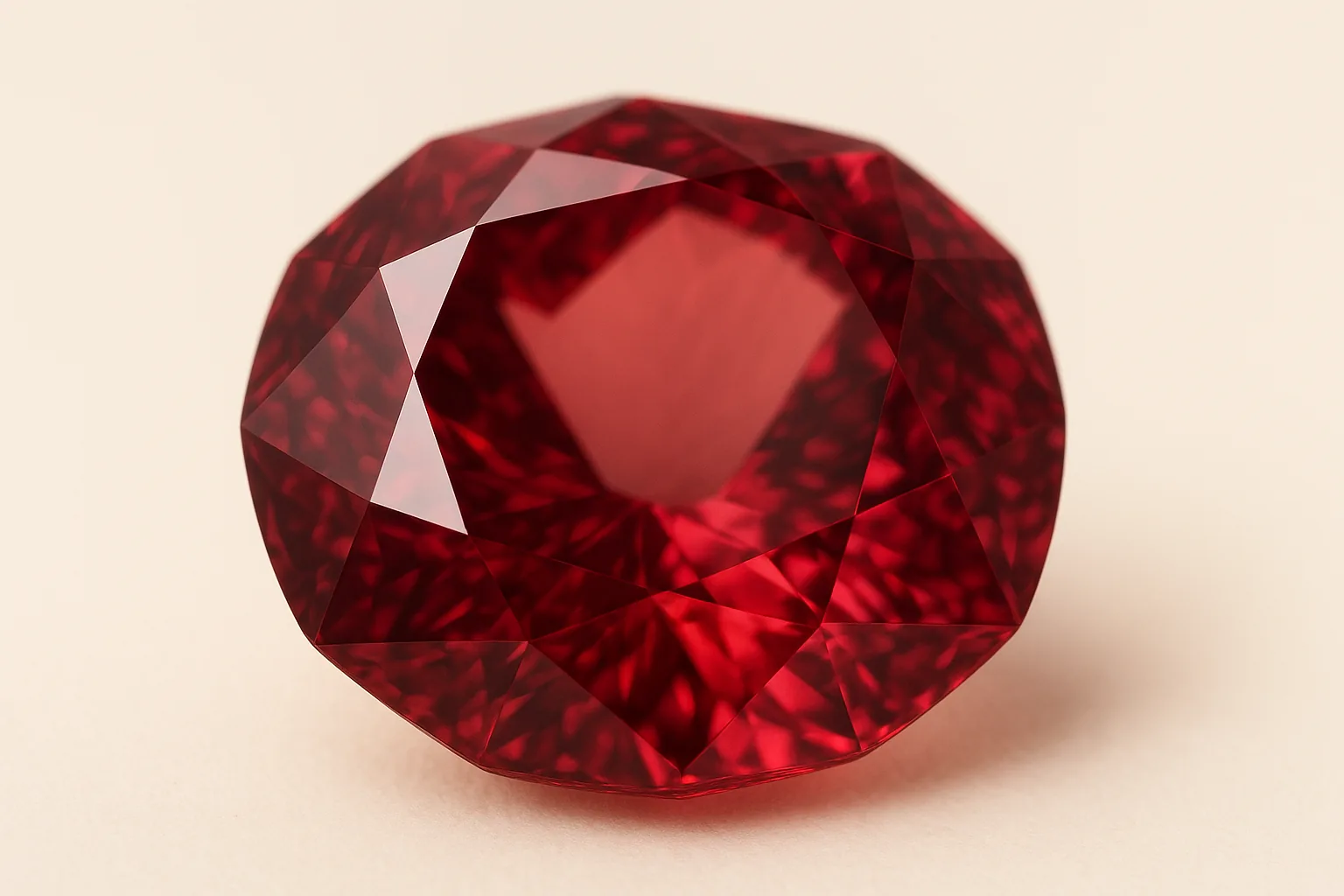
Mogok in Myanmar is the classic source and has produced fine red spinel alongside ruby for centuries, which is precisely how the confusion arose. Tajikistan's Kuh-i-Lal deposit supplied the historic crown stones.
Modern supply is broader. Tanzania's Mahenge produced the material that revived interest, Vietnam's Luc Yen produces cobalt blue, and Sri Lanka contributes across the colour range. Origin affects price for the top material, and for cobalt blue a laboratory report is worth having.
Hardness and everyday durability
Spinel is 8 on the Mohs scale with no cleavage, which makes it one of the toughest coloured stones available and genuinely better suited to daily wear than emerald, tanzanite, opal or morganite.
It is also singly refractive, which is worth mentioning because it affects appearance rather than durability: light is not split into two rays as it passes through, so the facets read crisply and the stone has a clean brightness that doubly refractive gems can lack. Nothing about spinel requires special care.
Treatment, and why its absence matters here
Spinel is almost never treated. This is the single most important commercial fact about it, and it is best understood by comparison: essentially all ruby and sapphire on the market is heated, and much of it is treated more aggressively than that.
A fine untreated spinel and a heated ruby of similar appearance are two very different propositions, and for many buyers the spinel is the more honest purchase. Some heating of spinel has appeared in recent years as prices have risen, so ask, and get the answer in writing. It remains the exception rather than the rule.
What separates a good spinel from a great one
Colour first, as always, and then a factor peculiar to spinel: because the stone is so often clean, clarity expectations are higher here than for its red rival.
Color
For red, a pure vivid red without brown or excessive darkness. For pink, the glowing Mahenge quality commands the premium. For blue, the electric cobalt tone is worth many times an ordinary greyish blue, and the difference between the two is the difference between an expensive stone and a modest one.
Clarity
Fine spinel is usually eye-clean and you should expect it. Because clean material is available, visible inclusions are a genuine reason to negotiate. This is the opposite of ruby, where inclusions are normal and tolerated.
Cut
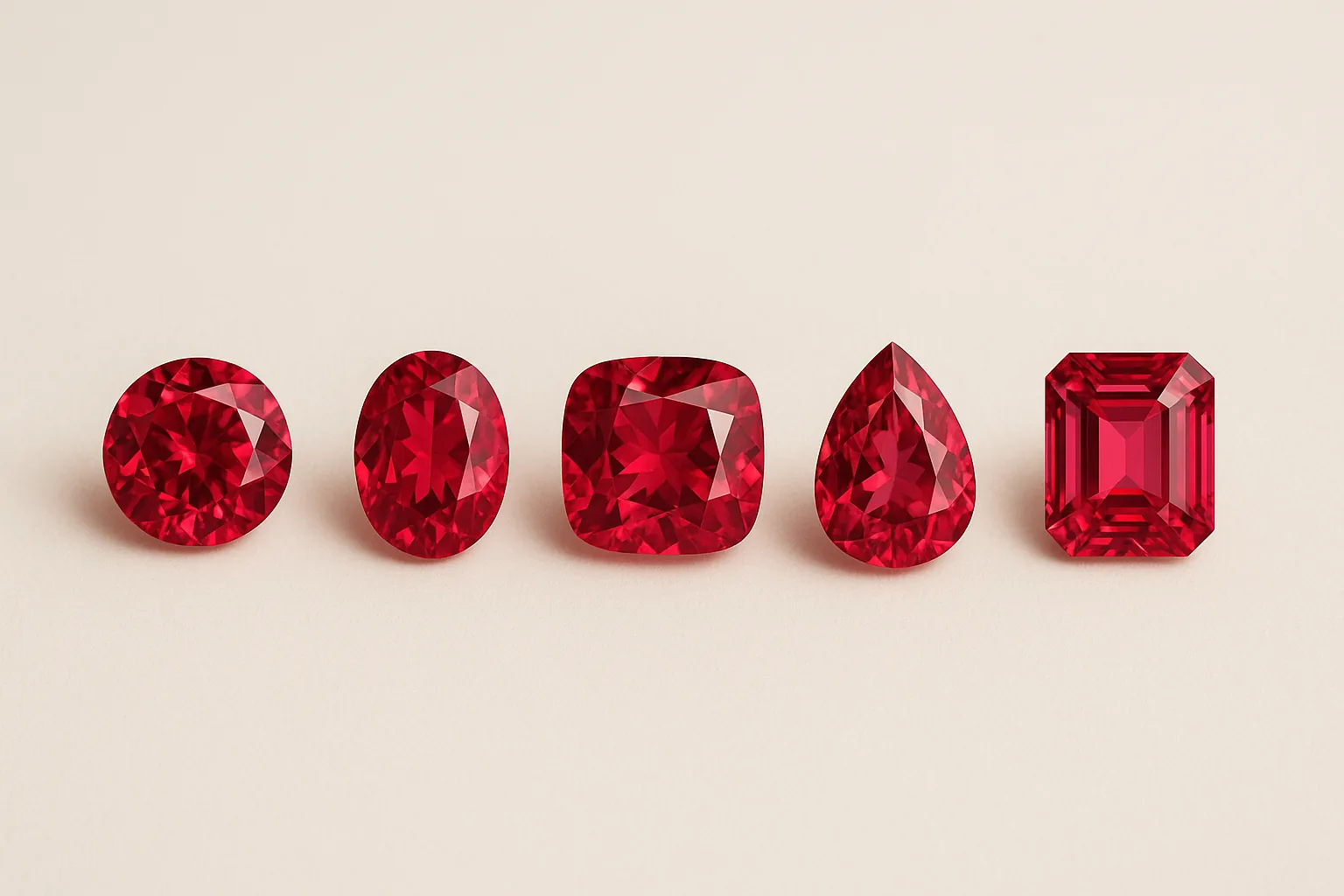
Spinel is often cut in cushions and ovals that follow the octahedral crystal. A well cut stone shows the crisp brightness single refraction gives it; a stone cut for weight looks flat. Because spinel is still undervalued relative to its quality, precision cut material is available at prices that would be impossible in ruby.
Carat weight
Fine red and cobalt blue spinel above a few carats is scarce, and price per carat rises sharply. Grey, lavender and pale pink material is available larger and more affordably, which makes those colours a good route to a substantial stone.
What loose spinel costs
Grey and lavender spinel remains one of the better bargains in coloured stone. Fine pink and red have risen substantially over the last fifteen years and now sit in serious territory. Cobalt blue is expensive and rising, and top material competes with fine sapphire.
- Colour decides almost everything, and cobalt blue sits in its own bracket.
- Eye-clean should be your baseline, not a premium.
- Untreated is normal. Ask, but do not expect to pay extra for it.
- Size raises price steeply in the scarce colours and gently in the quiet ones.
Meaning, symbolism and the August birthstone
Spinel was added as an August birthstone in 2016, joining peridot, and is a traditional gift for a twenty-second anniversary. Its historic associations are borrowed from ruby, for the obvious reason that nobody could tell them apart, and it carried the same reputation for vitality and protection.
See our August birthstone page, or the birthstones by month guide for the rest of the year.
Why buy the stone loose
Spinel rewards knowing what you have, because its virtues are subtle. The crispness that single refraction gives it, the cleanliness of fine material, the specific glow of good Mahenge pink: none of these survive a photograph, and a finished ring describes none of them.
It is also the stone most likely to be confused with something else, historically and today, so buying it loose and properly identified matters.
- You know where the brightness comes from. Single refraction, which is a property of the mineral.
- You confirm what it is. The stone with the longest history of mistaken identity.
- You compare against ruby honestly. On hardness, treatment and price, which is the fair test.
- You build around it. An underrated stone deserves a design that shows it.
Designing around a loose spinel
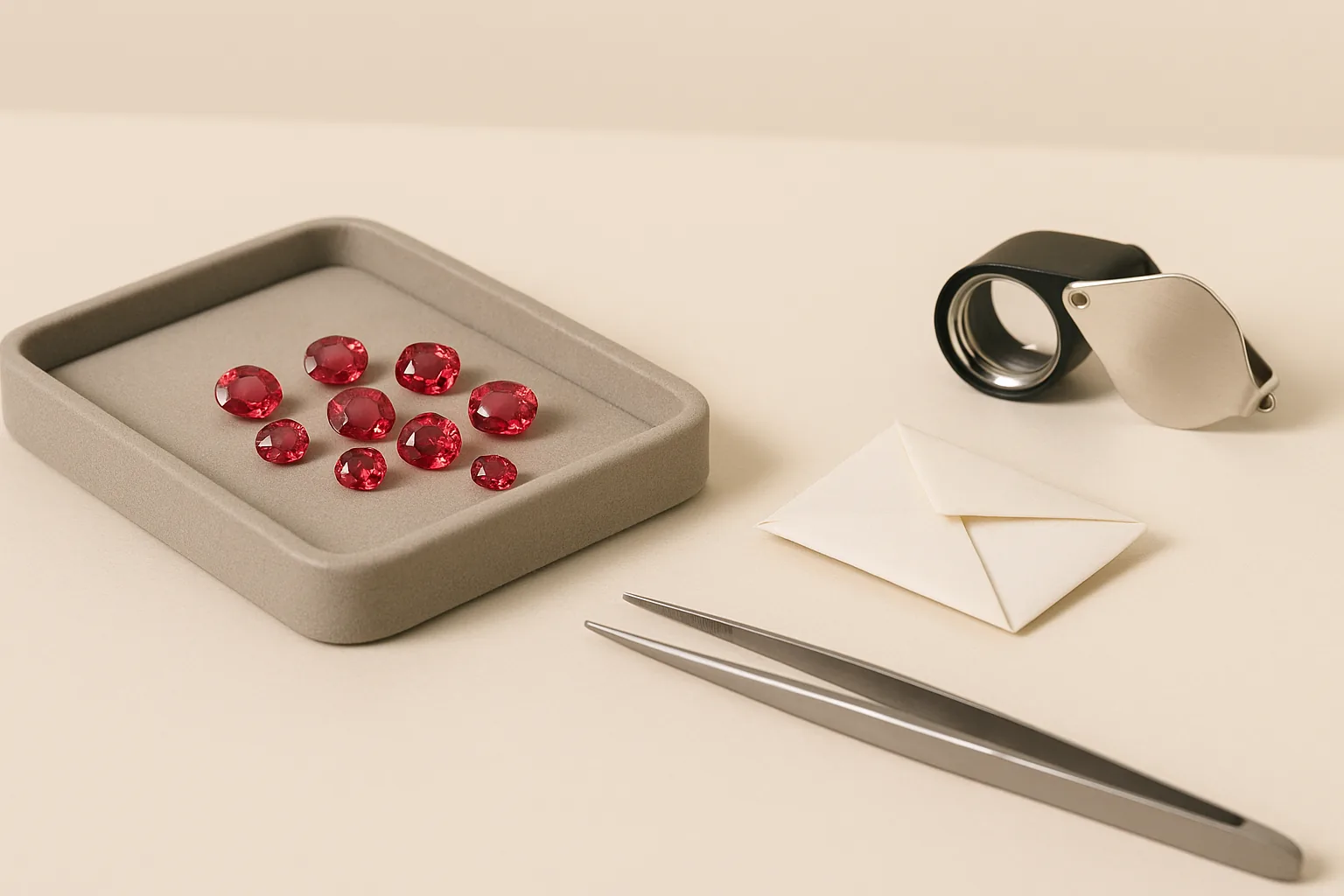
Red and pink spinel sits beautifully in rose gold, which extends the colour, and in white metals, which keep it clean and vivid. Cobalt blue belongs in platinum or white gold and nothing else. Grey and lavender are the interesting ones: they take on a completely different character depending on whether they sit in warm or cool metal.
With hardness 8 and no cleavage, spinel imposes no setting constraints at all, which is rare among coloured stones. See ring settings and metals, or go to design your own ring (opens in new tab).
A short buying checklist
- Establish the colour bracket first. Cobalt blue is a different market.
- Expect eye-clean and treat visible inclusions as a negotiating point.
- Ask about heat in writing, even though untreated is the norm.
- For fine red or cobalt blue, get a laboratory report.
- Compare it against a heated ruby of similar look and price. It is instructive.
- Consider grey and lavender for a large stone on a modest budget.
Frequently asked questions
Is the Black Prince's Ruby really a spinel? Yes. The large red stone in the British Imperial State Crown is a spinel, as is the Timur Ruby. Neither was identified as such until spinel and ruby were distinguished as separate minerals in 1783.
Is spinel a real gemstone or a substitute? It is a natural mineral in its own right, and a fine one. Confusion arises because synthetic spinel has been manufactured cheaply for a century and used in costume jewelry. Natural spinel is unrelated to that material and is genuinely valuable.
Is spinel treated? Rarely. Untreated is the norm, which is remarkable in a trade where nearly all ruby and sapphire is heated. Some heating has appeared as prices have risen, so ask and get the answer in writing.
How does spinel compare with ruby? Spinel is slightly softer at 8 against 9, but it has no cleavage, is usually cleaner, is almost always untreated and costs far less. Ruby holds the name and the history. Many buyers who compare them honestly prefer the spinel.
What is cobalt spinel? Spinel coloured by cobalt rather than iron, producing an electric blue quite unlike ordinary blue spinel. It comes mainly from Vietnam and Sri Lanka, is very scarce, and is by far the most expensive spinel.
What is Mahenge spinel? Material from a Tanzanian deposit found in 2007, producing intense glowing pinkish red stones. It is largely responsible for the renewed interest in spinel over the last two decades.
Is spinel hard enough for everyday wear? Yes, comfortably. At 8 on the Mohs scale with no cleavage it is tougher than emerald, tanzanite, opal or morganite, and it needs no special handling.
Why is spinel cheaper than ruby if it is comparable? Mostly history and name recognition. Ruby has centuries of marketing behind it and a name every buyer knows. That gap has narrowed considerably as spinel has become better known, and fine spinel is no longer inexpensive.
How should I clean spinel jewelry? Warm water, mild soap and a soft brush. Spinel tolerates ultrasonic cleaning well given its hardness and lack of cleavage, though caution is sensible with any stone that has visible fractures.
Can spinel be used in an engagement ring? It is one of the best coloured stone choices for one. Hardness 8, no cleavage, usually untreated and available in colours ruby cannot produce. See our guide to designing an engagement ring.
To see what is available, browse the loose spinel collection (opens in new tab), or start from a design and create your own ring (opens in new tab) around a stone. Spinel is the stone people fall for once they understand it, so contact us (opens in new tab) and someone who handles these every day will help you narrow it down.