August
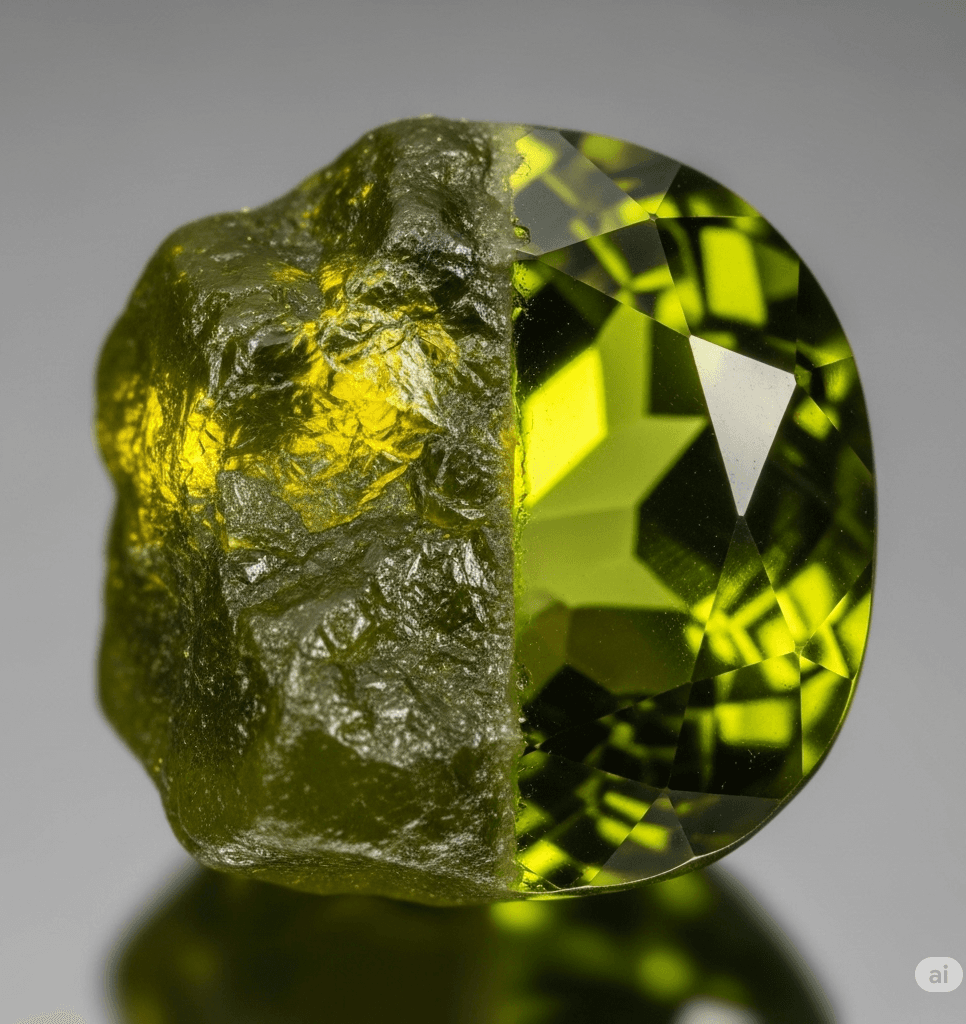
Peridot, called the pearl of the sun by the Egyptians, is August's birthstone. Learn its several names, where it is mined, and why it is hard to polish.
The birthstone of the month of August - peridot, pitdah
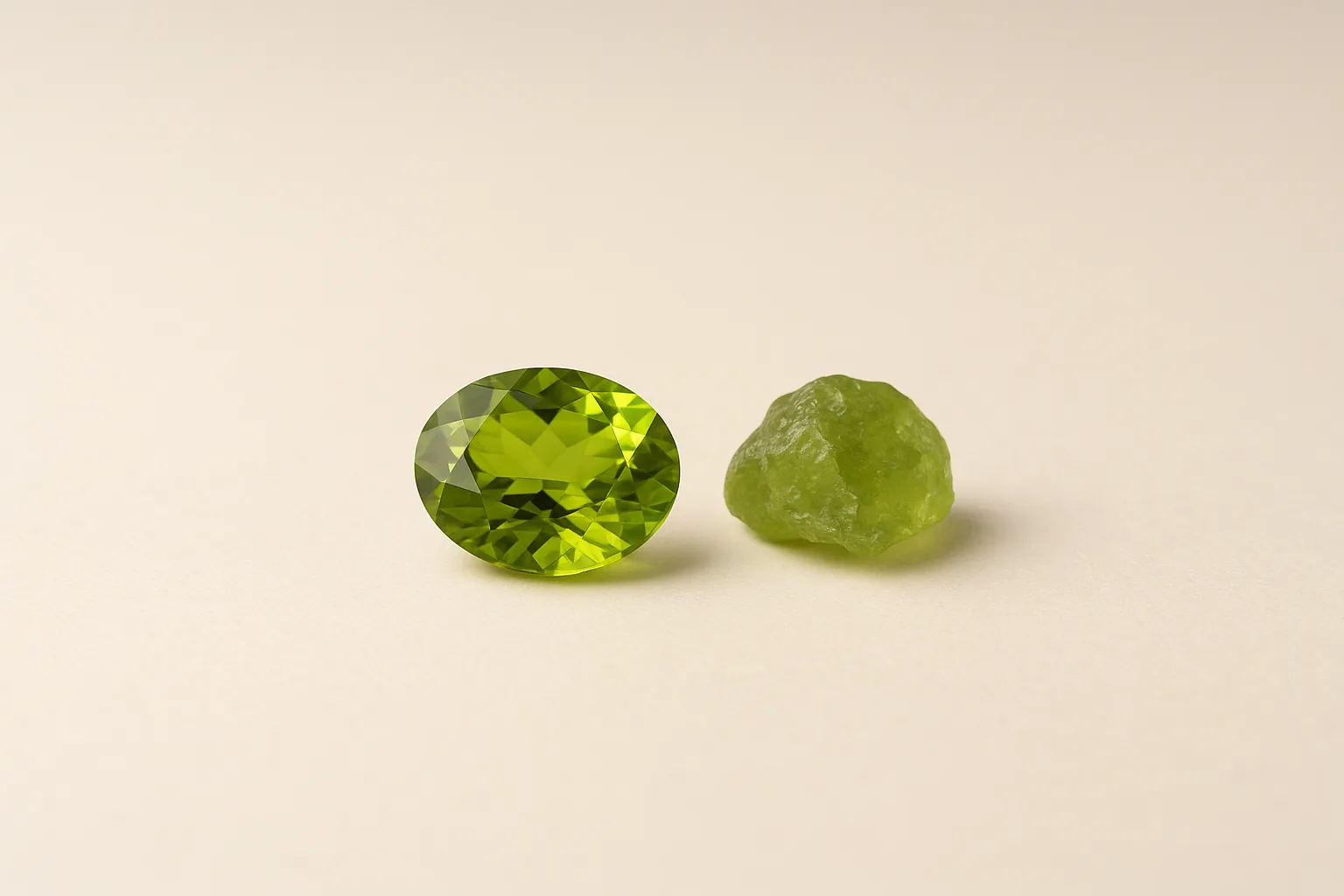
Those born in August are radiant and spread light, and the birthstone of those born in this month is the peridot, or the "pearl of the sun" as the Egyptians called it. Peridot, or pitdah by its Hebrew name, is the birthstone of the month of August. It is an exceptional gemstone, unique among gemstones in that it exists in only one color - a vivid green, recalling the colors of plants in spring, which does not change even under the influence of artificial light. Peridot is considered a stone of joy and optimism. It dispels negative feelings and brings positive energy - a stone of hope, renewal and emotional balance.
The origin of the name peridot
The peridot gemstone has other names, and there is sometimes even confusion regarding its name. The name peridot may originate in the Arabic word "Faridat", which means "gemstone", or in the Greek word "peridona", which means "to give wealth".
Another name for the peridot stone is chrysolite, a Greek word meaning "golden stone", a name that denotes the golden-yellow luster of the stone. The stone is also sometimes known as olivine, which is the principal chemical component of the stone.
The peridot in Judaism
One of the stones appearing in the breastplate of the High Priest is pitdah. Over the years, in the various translations of the Bible, the name pitdah was translated as topaz. According to what is mentioned by the Roman writer Pliny the Elder (58 CE), the "topaz" was a green stone, and so this is probably peridot, which was found in a geographical area close to the Land of Israel.
Healing virtues of the peridot
In the past it was believed that the stone had the power to fight demons and drive them out. The stone was considered to reduce thirst in serious illness and to bring joy because of its cheerful green color.
The stone is credited with the ability to heal and to bring vitality to the whole body. It is said to increase patience, confidence and assertiveness. Peridot is considered to reduce stress, to stimulate thought, and it is believed to bring emotional balance, to help heal a wounded heart and a wounded ego and to clear the way to the heart. Peridot assists in emotional healing, drives away fears and brings joy to life. Properties of peridot
The peridot is a gemstone that is difficult to polish, because the crystal has points of weakness that cause the stone to break into fragments during polishing.
History of the peridot
The peridot stone has a long history - jewelry set with peridot has been found among the ancient Egyptians as far back as the second millennium BCE. The stone is also set in jewelry from the Roman period.
Pliny the Elder describes the green stone in his book under the name prasoides. He quotes another writer named Archelaus, who notes that the stone comes from the Red Sea, from an island called Chitis. Indeed, in the Red Sea off the coast of Egypt lies an island called St John, or Zabargad, which was the source of the peridot stone in ancient times. There is a story about the island of Zabargad concerning a pirate ship that drifted there. Searching for food, the pirates dug in the earth for roots and discovered peridot. They called the stone they had found topaz, but tests that were carried out showed that the stones mined on this island are peridot.
The peridot stone was brought to Europe by the Crusaders returning from their conquests and was mistakenly taken for emerald. The stone was set into church treasures as early as the Middle Ages.
Main mining countries: Arizona, Australia, Afghanistan, Brazil, Myanmar, China and Pakistan. Alternative stone: green spinel.
The August birthstone in jewelry
Peridot's bright, single-tone green makes it a cheerful August birthstone for everyday jewelry. To read more about the stone traditions behind each month, see Israel Diamonds' guide to birthstones (opens in new tab).
This month belongs to two zodiac signs, Leo up to the 22nd and Virgo from then on, and the stones tradition gives those signs are not the birthstone of the month. Astrology and gemstones sets the two systems side by side.
Spinel, the second stone of August, is one of those covered in the guide to semi-precious stones.
Peridot has a guide of its own: why it is only ever green, the doubling you can see by eye, and what it costs.