September
Sapphire is the birthstone of September and, chemically, the same mineral as ruby. Learn how its quality is judged and which stones imitate its blue.
The birthstone of the month of September - sapphire
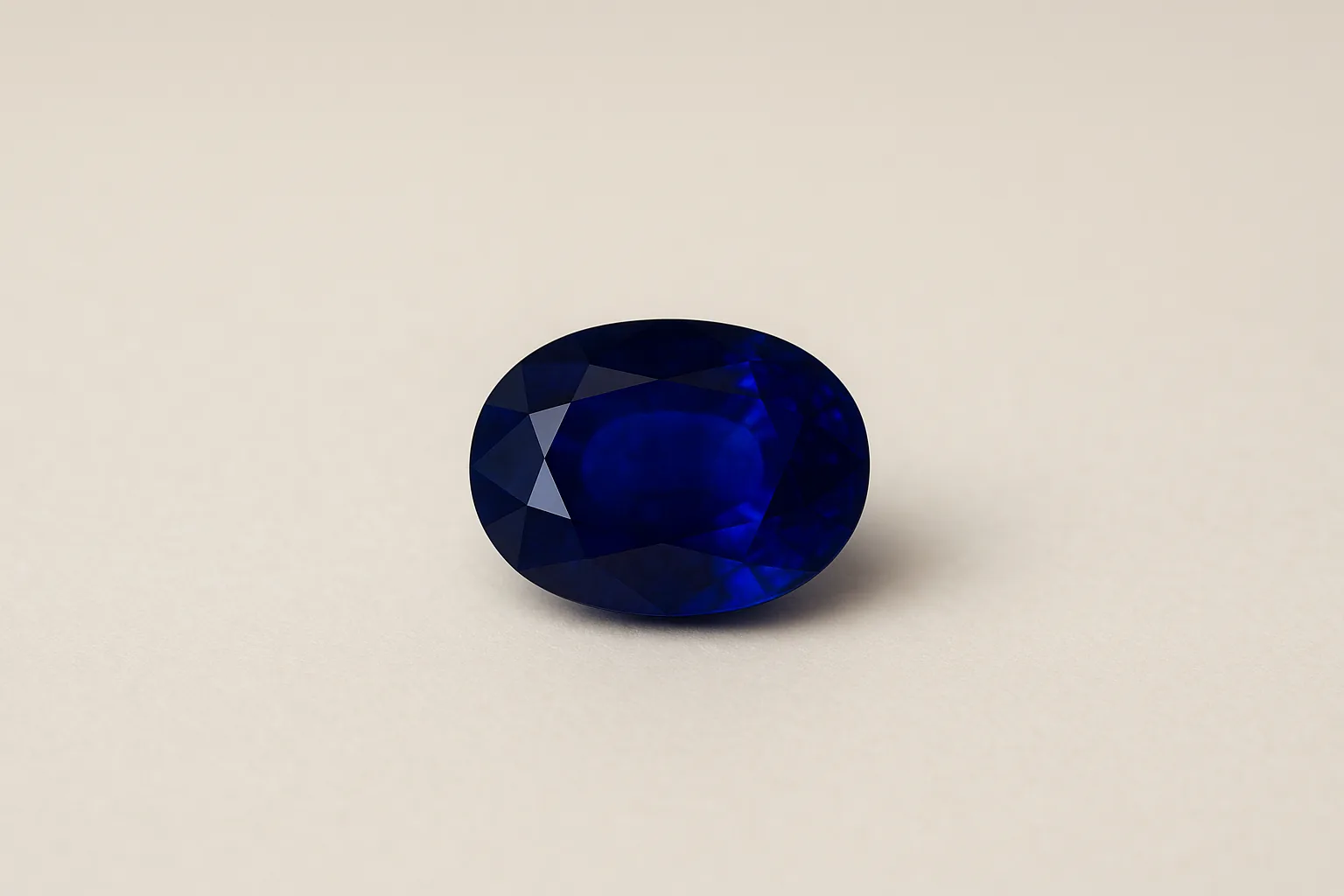
Those born in September are sincere and loyal, and the sapphire is the birthstone of the month of September. The sapphire is the gemstone of the soul, and a good-quality sapphire is rare and very expensive.
Properties: the sapphire stone is associated with wisdom and inner strength; it strengthens intuition and brings peace of mind. Symbolism: the sapphire is a stone of truth, integrity and wisdom.
Influence: the sapphire helps to increase concentration and inner awareness, and strengthens the connection with the inner self.
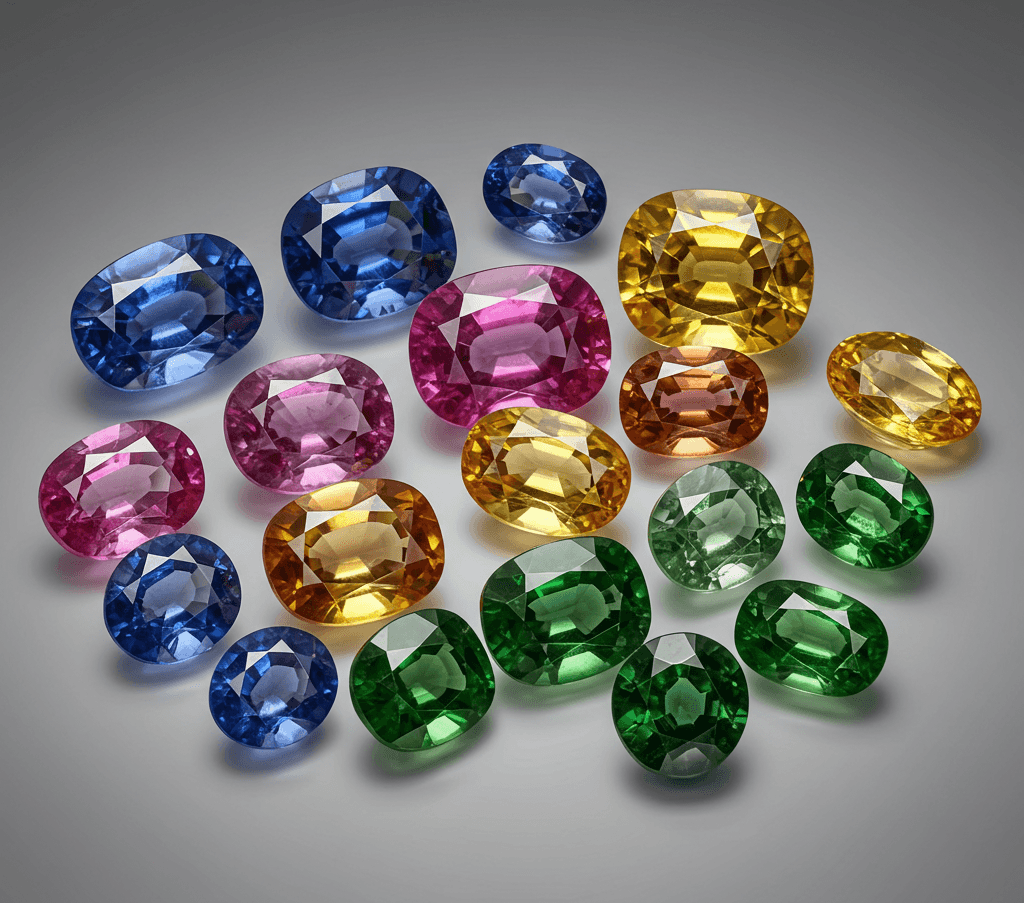
Colors: the sapphire is known for its deep blue tone, but it also exists in other colors - pink, green, yellow and more…
The origin of the name sapphire
There are several versions:
One version holds that the origin is in the Greek word sapphiros, meaning "blue stone", although it is thought that this was not the same stone.
Another version holds that the origin is from Sanskrit - "sanipriya", a word meaning "that which is sacred to the planet Saturn".
Notable properties of the sapphire
The sapphire is made of aluminum oxide, which in its pure state is colorless, and the sapphire's color is caused by the presence of minute quantities of iron oxide and titanium oxide. The quantities of titanium in the aluminum oxide play an important part in producing the sapphire's deep blue color. The beautiful "royal blue" color is the most sought after and the most expensive.
A good-quality blue sapphire is a rare and very expensive stone, and it therefore has many imitations.
Natural blue gemstones of a similar color, such as blue spinel, blue tourmaline, tanzanite, iolite and even glass, attempt to serve as a substitute for the costly sapphire.
Because of the sapphire's crystal structure there is a double refraction of light, and great expertise is therefore required in finding the correct direction of cut for the stone. Only in a particular direction will the crystal yield a beautiful stone with a beautiful color.
Did you know? The ruby stone and the sapphire stone are almost entirely identical in chemical composition and in the form of their crystallization.
The sapphire in Judaism
The sapphire is mentioned in the Bible as one of the breastplate stones. "And thou shalt make a breastplate of judgement, the work of the skilful workman; like the work of the ephod thou shalt make it: of gold, of blue, and purple, and scarlet… And thou shalt set in it settings of stones, four rows of stones… And the second row a carbuncle, a sapphire, and an emerald…" Exodus 28:15–21.
We cannot know today which stone was in fact set in the breastplate of the High Priest, and researchers assume that it was in fact lapis lazuli, a stone whose color is blue and which was found in our region in ancient times. Lapis lazuli is a far softer stone than the sapphire and easier to work. Pliny the Elder too, a philosopher of the first century CE, described the "sapphire" as a stone resembling lapis lazuli: a blue stone with points of gold - that is to say, not the sapphire we know today.
According to the Talmud, in which the banners of the tribes of Israel are described and where it is assumed that the tribes' banners corresponded to the colors of the stones, the sapphire stone is assigned to the tribe of Issachar. Bamidbar Rabbah, portion 2, section 7.
According to Midrash Talpiyot, the book of Rabbi Eliyahu HaKohen of the 17th–18th century who lived in Izmir, Turkey, the sapphire stone has the property of healing the eyes and is likewise good for every pain and every swelling in the body: "…And it is known that the soul of those who study Torah is bound in the bundle of life beneath the throne of glory, of which it is written 'as the appearance of a sapphire stone, the likeness of a throne'. And the blue is the color of humility and lowliness, not pride, redness and greenness. And its virtue is to give light to the eyes, and therefore it is passed over the eyes; and likewise the Torah gives light to the eyes; and this stone will help for every pain and swelling in whatever place it may be in the body."
The sapphire stone is also mentioned in the Bible in the books of Ezekiel, Job and Lamentations.
Properties and healing virtues of the sapphire
Since ancient times people have revered the blue sapphire. The stone was credited with healing virtues for various wounds and with driving foreign and harmful bodies out of the human body. The sapphire was also used as an agent against potent poisons.
The sapphire is considered the gemstone of the soul. Its blue color, recalling the color of the sky, represents the purity of the soul, and therefore those who wear it succeed in warding off envy, in winning divine favor and even in making peace between enemies.
Because of its rarity, its color and the properties attributed to it, the sapphire occupies a place of honor among royal jewels. Sapphires can be seen set into the crowns of kings, into scepters and into fine jewelry.
Mining the sapphire
Main mining countries: Australia, Myanmar, Brazil, Tanzania and other countries in Africa.
Alternative stones: blue corundum.
Choosing a September sapphire
The deep blue sapphire is a durable, hard-wearing choice for an everyday ring, and quality varies enough that certification and side-by-side comparison pay off. Israel Diamonds offers loose sapphires (opens in new tab) you can compare by color and set to your own design.
This month belongs to two zodiac signs, Virgo up to the 22nd and Libra from then on, and the stones tradition gives those signs are not the birthstone of the month. Astrology and gemstones sets the two systems side by side.