Tourmaline
From affordable green to Paraiba at diamond prices. A guide to the varieties, why cut orientation decides the color you see, and what to check before buying.
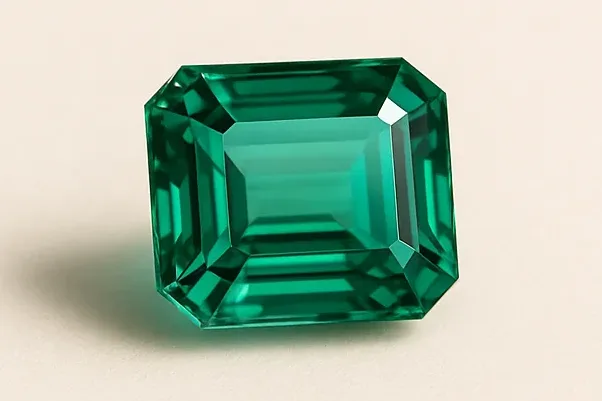
Tourmaline is not one gemstone. It is a family of related borosilicate minerals that occurs in a wider range of colors than any other gem species, and a stone that can be pink at one end and green at the other while remaining a single crystal. Buying it means first deciding which tourmaline you actually want.
That variety is also why the price range is so extreme. Ordinary green tourmaline is an affordable stone. Copper-bearing Paraiba, discovered in Brazil in 1989, reaches figures that put it among the most expensive gems on earth. Both are correctly called tourmaline.
This page maps the varieties, explains why cut orientation matters more here than almost anywhere, and covers what to check before you buy loose.
The colors of tourmaline
Every color, and often several at once. The chemistry of the group is complicated enough that small changes in trace elements produce entirely different results, and a single crystal frequently changes color along its length.
- Rubellite. Red to vivid pink. The most valued reds rival ruby in appearance and are priced seriously.
- Indicolite. Blue, from a soft denim through to a deep inky tone. Uncommon and sought after.
- Verdelite. Green, the most familiar and generally the most affordable. Chrome tourmaline is a vivid emerald green variant and costs far more.
- Paraiba. Neon blue to green, colored by copper. Discovered in Brazil, later found in Mozambique and Nigeria. Among the most expensive gems in the world.
- Watermelon and bicolor. Pink core with a green rim, or two colors along one crystal. Often cut as slices to show the pattern.
Where tourmaline is mined
Brazil is the classic source and the origin of Paraiba, from small mines in the state that gave it the name. Africa now supplies a great deal: Mozambique produces copper-bearing material sold as Paraiba-type, and Nigeria, Madagascar, Namibia and Tanzania all contribute.
Afghanistan and Pakistan produce fine pinks and greens, and the United States has historic deposits in Maine and California. For Paraiba specifically, origin genuinely does affect price, and a stone claiming Brazilian origin at Brazilian prices warrants a laboratory report.
Hardness and everyday durability
Tourmaline is 7 to 7.5 on the Mohs scale with no cleavage, which makes it a practical stone for regular wear and considerably more forgiving than its hardness alone suggests.
The caveat is internal. Tourmaline often grows with liquid inclusions and fractures, and heavily included material can be fragile to sudden temperature change. It is also pyroelectric and piezoelectric, meaning it develops a static charge when warmed or squeezed and attracts dust, which is a curiosity rather than a problem. Avoid ultrasonic and steam cleaning on included stones.
Treatment, and what is common
Heating is routine and is used to lighten overly dark green and blue material and to improve some pinks. It is stable and permanent. Irradiation is used on some pink and red material to deepen the color, and it too is stable, though it should always be disclosed.
Clarity enhancement with resins or oils appears on heavily included material, particularly rubellite, which is the variety most likely to be included. This treatment is not permanent in the way heat is, and it changes both the value and the care the stone needs. Ask specifically, and get the answer in writing.
What separates a good tourmaline from a great one
Color dominates, but tourmaline adds a factor most stones do not: how the stone was oriented on the cutting wheel can change its apparent color completely.
Color
Vivid and saturated wins in every variety. Watch particularly for stones that go dark and closed under low light, a common failing in deep green and blue material. In Paraiba, the specific neon quality is what commands the price, and a merely bright blue-green stone is not the same thing at all.
Clarity
Expectations vary by color, which is unusual. Green and blue tourmaline should be eye-clean. Rubellite is very commonly included, and visible inclusions are tolerated there in a way they are not elsewhere, in exchange for the color. Price should reflect that.
Cut
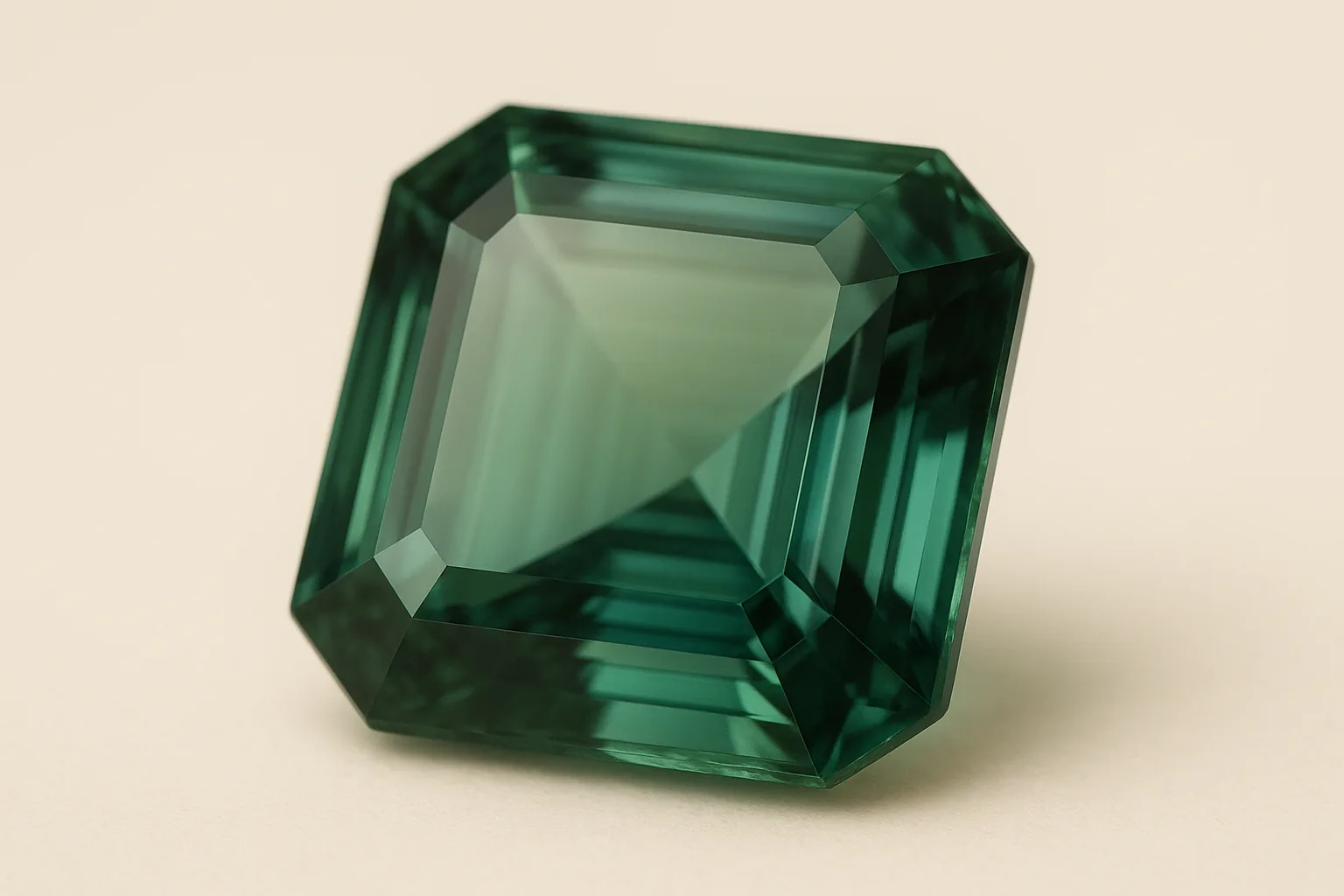
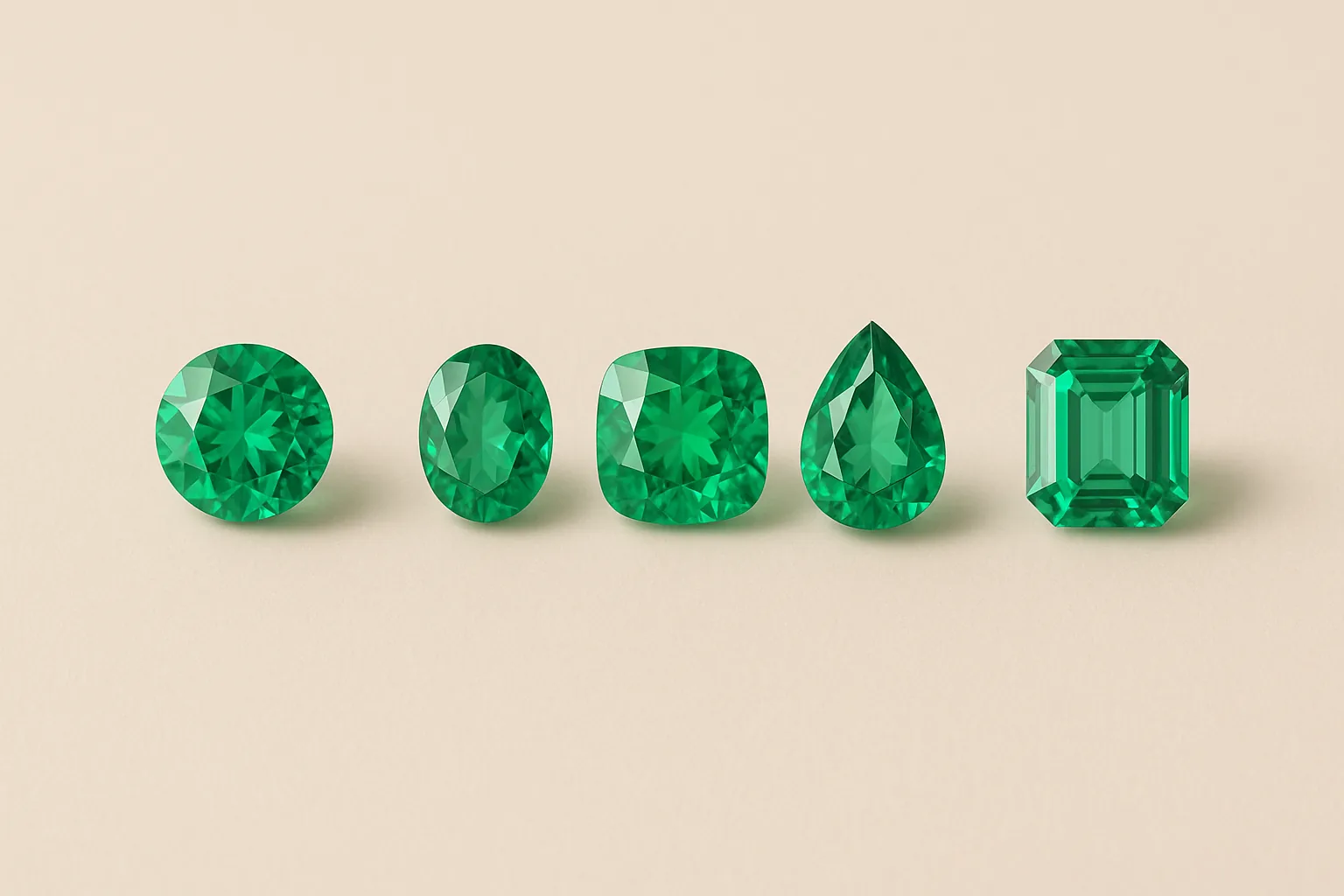
Tourmaline is strongly pleochroic, showing different colors along different crystal directions, and it is usually much darker down the length of the crystal than across it. A cutter must orient the rough to face the best color up, which often means accepting a long shape and losing weight. This is why so many tourmalines are elongated emerald cuts and ovals. Poorly oriented stones look dark and dead, and no setting will rescue them.
Carat weight
Green and pink tourmaline is available in large clean sizes at reasonable prices. Fine indicolite and rubellite climb faster. Paraiba is scarce in any size, and stones above a couple of carats are exceptional.
What loose tourmaline costs
No other gem species spans such a range. Commercial green tourmaline is modest. Fine rubellite and indicolite are serious stones at serious prices. Certified Brazilian Paraiba of good color is among the most expensive material by weight on the market, ahead of most ruby and sapphire.
- Variety sets the bracket before anything else is considered.
- Saturation decides position within that bracket.
- Cut orientation decides whether you see the color at all.
- Origin matters for Paraiba specifically, and a report is worth its cost there.
Meaning, symbolism and the October birthstone
Tourmaline has been associated with creative inspiration and protection, and its range of colors has given it a reputation as a stone of many moods. Dutch traders in the eighteenth century used warmed crystals to pull ash from their pipes, having noticed the static charge that gives the stone its name in the trade.
It shares October with opal, and is a traditional eighth anniversary gift. See our October birthstone page or the birthstones by month guide.
Why buy the stone loose
Tourmaline is the strongest case in this whole series for buying loose, because pleochroism means the same stone can read as two different gems depending on how it was oriented. A finished ring has already fixed that, and rarely says so.
Bought loose, the cut and its orientation are part of what you are told about the stone, which is exactly what a mounted stone leaves unsaid.
- You know about the pleochroism. Whether the good color faces up is a property of the cut.
- You know how it reads in low light. Deep greens and blues close up, and that is worth asking about.
- You judge inclusions on their own terms. Especially in rubellite, where they are normal.
- You build around your stone. Unusual colors deserve designs made for them.
Designing around a loose tourmaline
The color decides the metal. Pinks and rubellite are natural partners for rose gold, which deepens them, and for white metals, which make them read cooler and cleaner. Greens sit beautifully in yellow gold. Paraiba and fine indicolite belong in platinum or white gold, where nothing competes with the blue.
Because tourmaline is often cut long, it suits elongated designs, east-west settings and pieces built around a single distinctive stone. See ring settings and choosing a metal, or start at design your own ring (opens in new tab).
A short buying checklist
- Decide which variety you want before you look at prices.
- Turn the stone to check the pleochroism and confirm the best color faces up.
- View it in low light as well as bright, especially for green and blue.
- Ask about heat, irradiation and any clarity enhancement, in writing.
- For Paraiba, insist on a report from a major laboratory.
- Judge rubellite clarity against rubellite, not against emerald or sapphire.
Frequently asked questions
Why does tourmaline come in so many colors? Because it is a group of related minerals rather than a single one, and small differences in trace elements such as iron, manganese and copper produce very different colors. That chemical flexibility is unique among common gem species.
What is Paraiba tourmaline? Copper-bearing tourmaline with a distinctive neon blue to green glow, first found in Paraiba state in Brazil in 1989 and later in Mozambique and Nigeria. It is among the most expensive gemstones in the world, and Brazilian material commands a premium over African.
Is African Paraiba the same as Brazilian? Chemically it is the same copper-bearing tourmaline, and the finest African stones are superb. The trade still prices Brazilian material higher, so origin should be documented by a laboratory when it is being charged for.
How hard is tourmaline? It is 7 to 7.5 on the Mohs scale with no cleavage, which suits everyday wear. Heavily included stones, particularly rubellite, need more care because internal fractures make them vulnerable to knocks and temperature shock.
Is tourmaline treated? Often. Heating to lighten dark material is routine and stable. Irradiation is used on some pinks and reds. Clarity enhancement with resin appears on included rubellite and is less permanent, so ask specifically about all three.
Why do some tourmalines look dark? Usually poor cut orientation. Tourmaline is strongly pleochroic and is much darker along the crystal axis, so a stone cut for weight rather than color can look nearly black face up. A well oriented stone of the same rough looks like a different gem.
What is watermelon tourmaline? A crystal with a pink core and a green outer rim, usually cut as a slice so both colors show at once. It is a natural growth pattern rather than a treatment.
Is rubellite supposed to be included? Commonly, yes. Rubellite grows with more inclusions than most tourmaline, and the trade accepts visible inclusions in exchange for fine red or pink color. Judge it against other rubellite rather than against clean green material.
How should I clean tourmaline jewelry? Warm water, mild soap and a soft brush. Avoid ultrasonic and steam cleaners entirely on included stones, and on any stone that may have been clarity enhanced.
Can tourmaline be used in an engagement ring? Yes, and its range of colors makes it a popular choice for a distinctive one. Pick a reasonably clean stone and a setting that protects the girdle. See our guide to designing an engagement ring.
To see what is available, browse the loose tourmaline collection (opens in new tab), or start from a design and create your own ring (opens in new tab) around a stone. Tourmaline varies more within one species than any other gem, so contact us (opens in new tab) and someone who handles these every day will help you narrow it down.