February
Amethyst, the purple quartz, is the birthstone of February. Learn where it is found, how its color is judged, and the lore that has gathered around it.
The birthstone of the month of February - amethyst, achlama
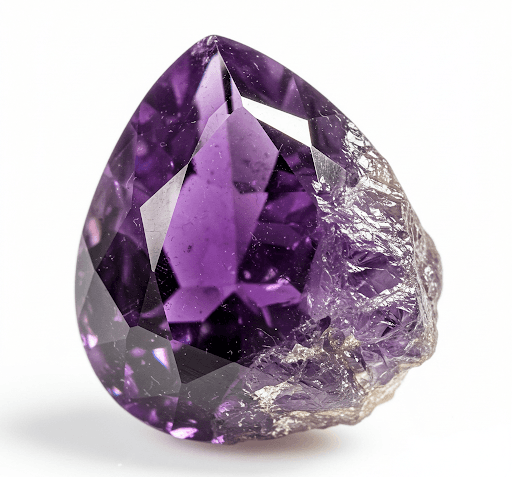
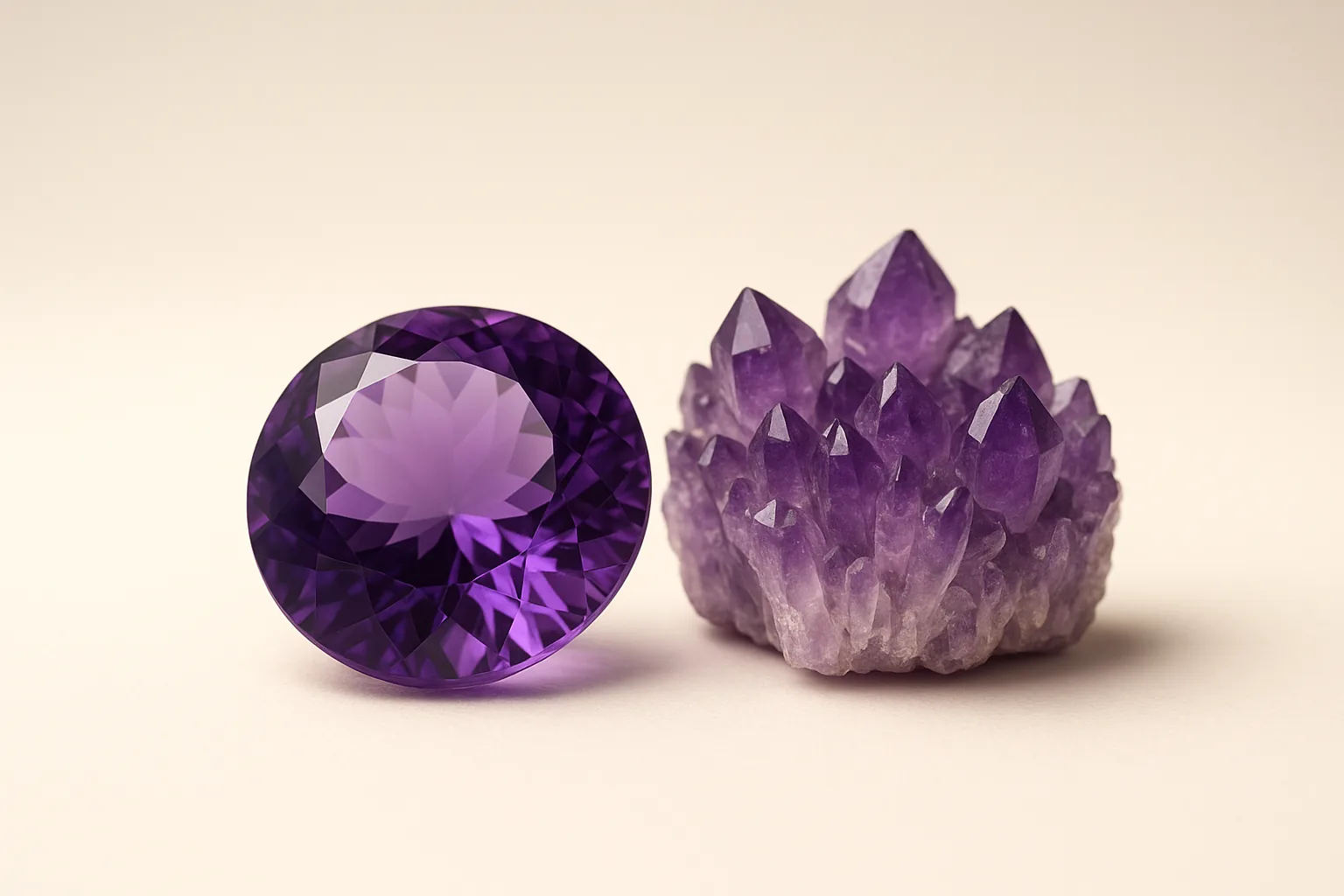
The purple gemstone amethyst (achlama) is the birthstone of the month of February. According to crystal lore, the stone is credited with balancing a person's energy centers and increasing spiritual understanding.
The origin of the name amethyst
The English name of the stone - Amethyst - derives from the Greek word for "not drunk". The Greeks used to drink wine from cups made of amethyst, since they believed it had the power to prevent drunkenness.
In Hebrew the amethyst is called achlama. There are several scholarly opinions on the meaning of the name, but it is generally accepted that the origin of the Hebrew word is from the word chalom (dream), because there was a belief that the stone induced visions and dreams. As far back as the 12th century, Rabbi Abraham Ibn Ezra addressed the origin of the name and found that in Arabic the root al-chalma likewise comes from the language of dreams. By contrast, Rabbeinu Bachya, who lived in the 14th century, holds that the origin of the name is from the language of hachlama (recovery) and strength.
The achlama in Judaism
According to the account in the Torah, Exodus 39:8–21, the achlama is the ninth stone in the breastplate of the High Priest and is attributed to the tribe of Gad. Rabbeinu Bachya pointed to the connection between the achlama stone and the tribe of Gad, which was involved in a good many wars. This stone was assigned specifically to the tribe of Gad because of its virtues in strengthening the heart of one going out to battle.
Midrash Talpiyot refers to a "stone of greenness" - the amethyst - which is supposed to help with dimness of the eyes. The amethyst is also described as a "black stone with white markings", and whoever carries it may come to a state of sorrow and worry and dream terrifying dreams.
The Radak too, who lived in the 13th century, addressed the sense of worry that the stone creates, saying: "It brings worry, fear and trembling, and increases terrifying dreams, quarrels, disputes and wars, which it brings upon the one who carries it."
Properties and healing virtues of the amethyst
According to crystal lore, the achlama balances a person's energy centers and increases spiritual understanding. According to Indian belief, it can also help to open the third eye, the eye of the soul.
In antiquity it was believed to have the ability to ease withdrawal from various addictions, such as alcohol and sweet things. Some held that it had the power to strengthen the wisdom and the faith of those who wore the stone.
According to another widespread belief, the achlama stone has the power to relieve insomnia and headaches. To relieve headaches or toothache, people would steep the achlama in hot water for a few minutes, dry it, and gently rub the stone on the affected place or on the neck. Others wore the stone as protection against infectious diseases and evil thoughts.
Alternative stone - onyx
Choosing an amethyst today
The amethyst's rich purple makes it a popular and accessible choice for a February birthstone. Buying from a direct supplier lets you compare tone and clarity across several certified stones; Israel Diamonds offers loose amethyst (opens in new tab) you can have set in a ring or pendant.
This month belongs to two zodiac signs, Aquarius up to the 18th and Pisces from then on, and the stones tradition gives those signs are not the birthstone of the month. Astrology and gemstones sets the two systems side by side.